
The global real estate landscape is entering a new chapter in 2026 — shaped by shifting demand, evolving economic indicators, and emerging investment models. Whether you’re a seasoned investor or exploring your first property purchase, this comprehensive guide breaks down everything you need to know about investing in real estate in 2026 — from the most promising markets to practical strategies, risk factors, and expected returns.
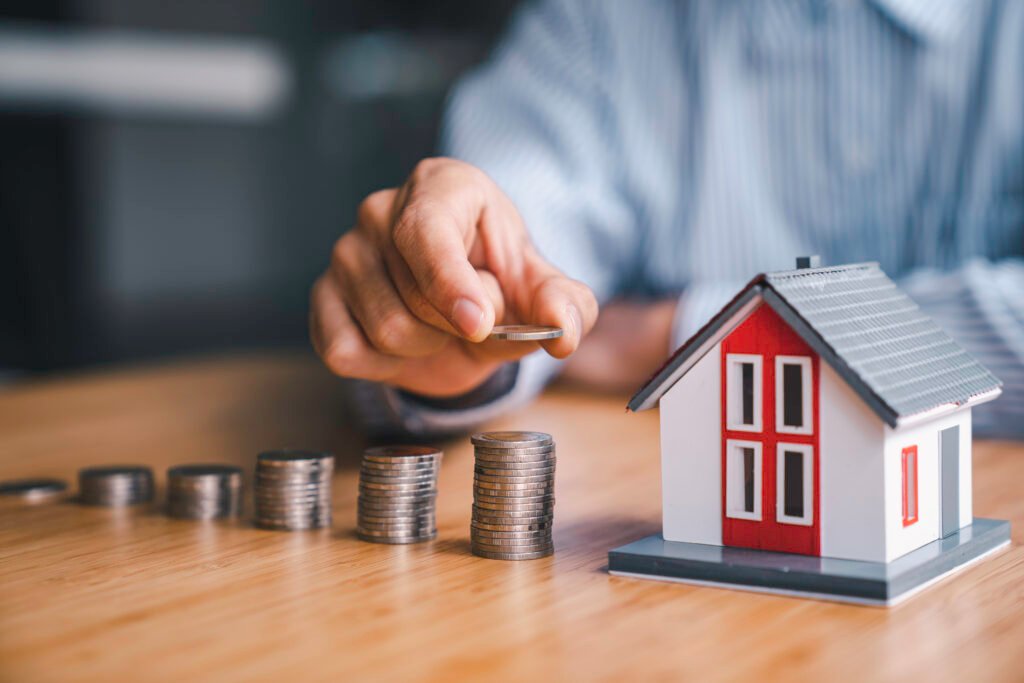
Global and UAE Real Estate Outlook for 2026
Real estate continues to be one of the most resilient asset classes amid market volatility. In markets like the UAE, real estate investment is gaining traction thanks to investor-friendly laws, freehold ownership zones, and high rental demand from expatriates and global professionals.
While some analysts have projected potential price adjustments in certain segments, especially in oversupplied areas, others highlight steady rental growth and long-term appreciation as key strengths.
Key predictions for 2026 include:
- Rental market resilience — rents in major cities like Dubai are forecasted to rise, potentially averaging around 6% as demand outpaces supply.
- Price correction signals — some advisory firms have warned of downward pressure on price growth in later 2025 into 2026 due to heightened supply.
- Strategic global investment opportunities — Nations across Asia, the Gulf, and beyond are becoming hotspots for cross-border investors as they seek diversification. (Implied from general trends)
In this environment, real estate investment is increasingly about where and how you invest, not just whether you should.

Where It Makes Sense to Invest in 2026
1. UAE – Dubai and Abu Dhabi
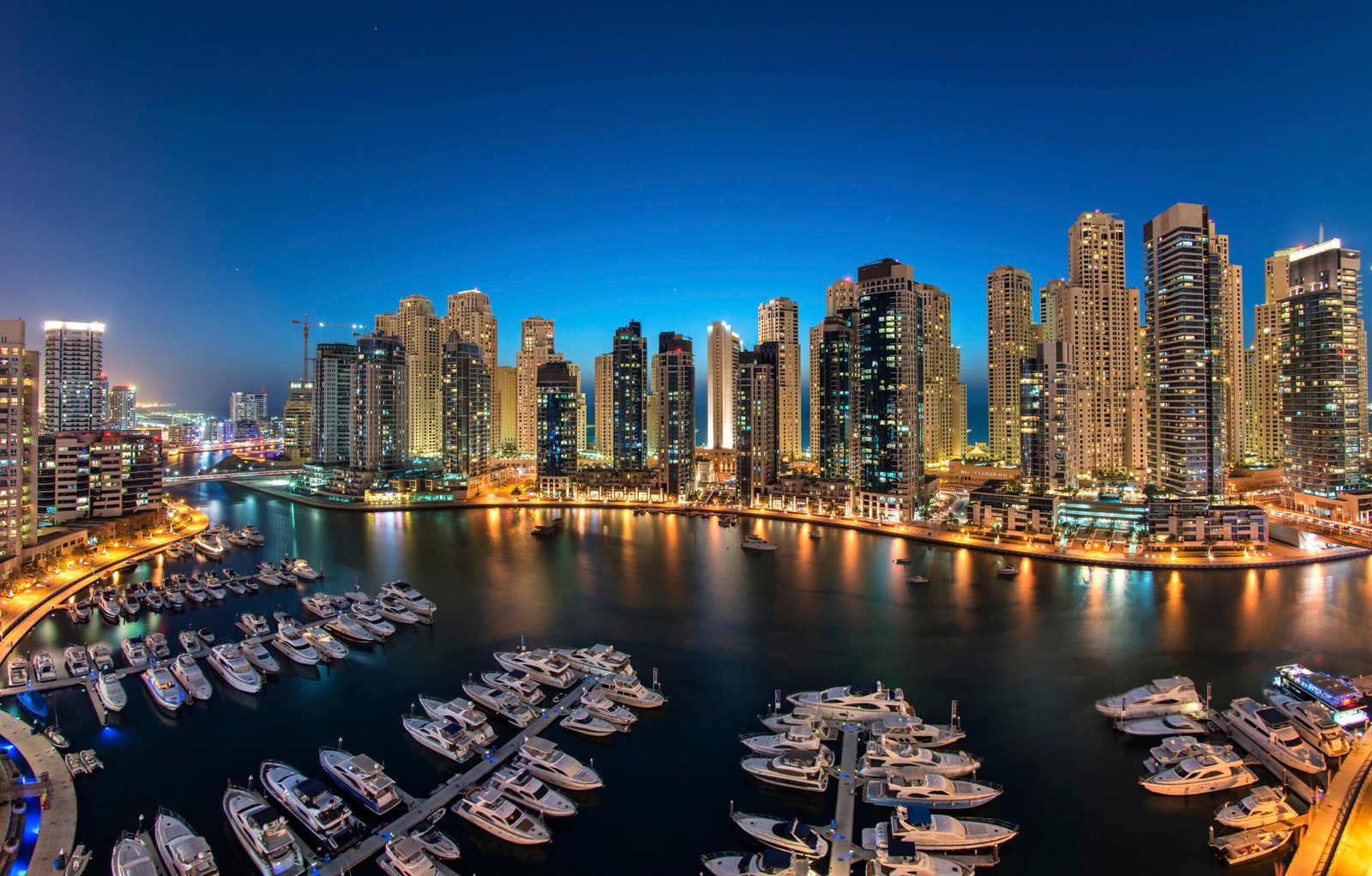
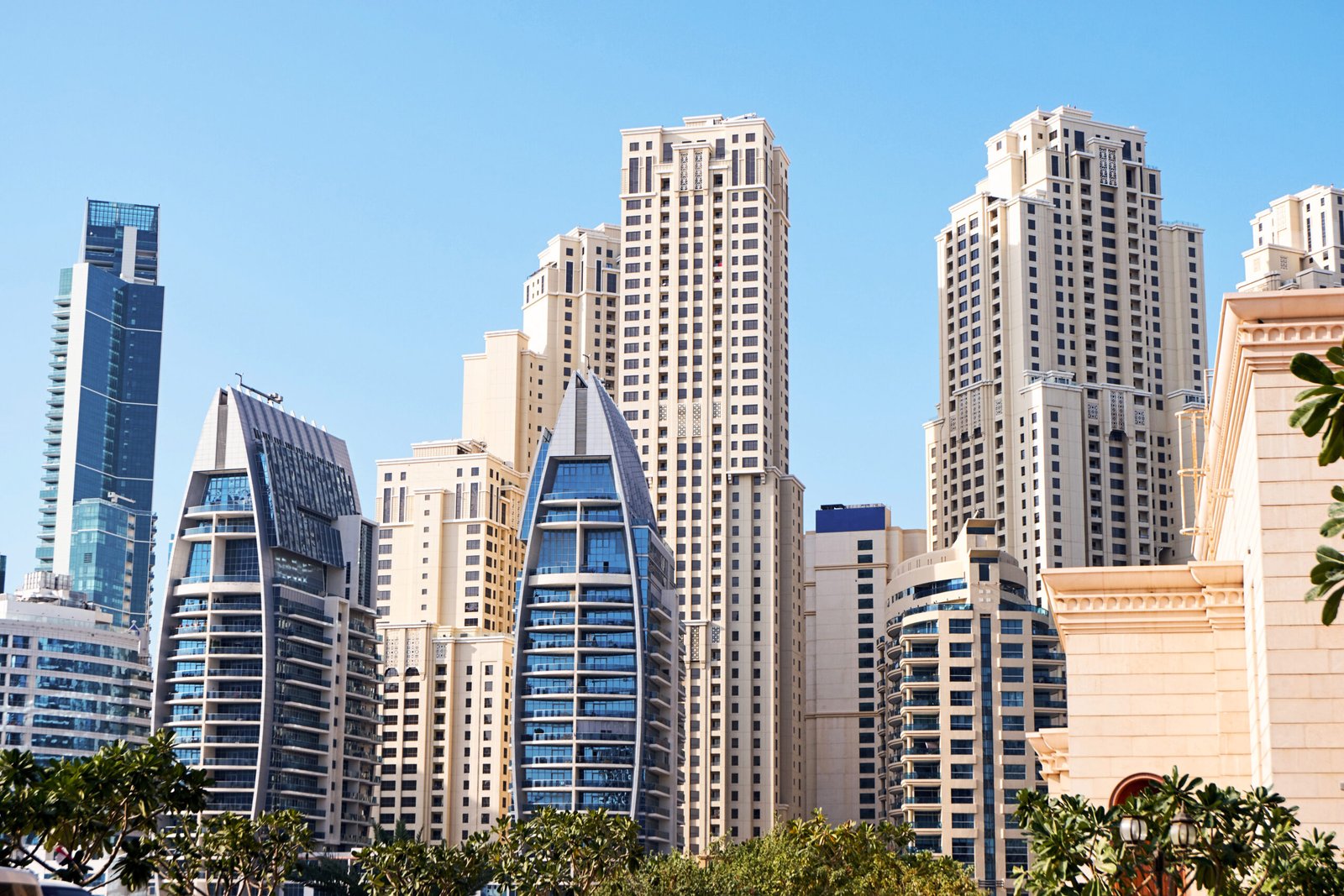
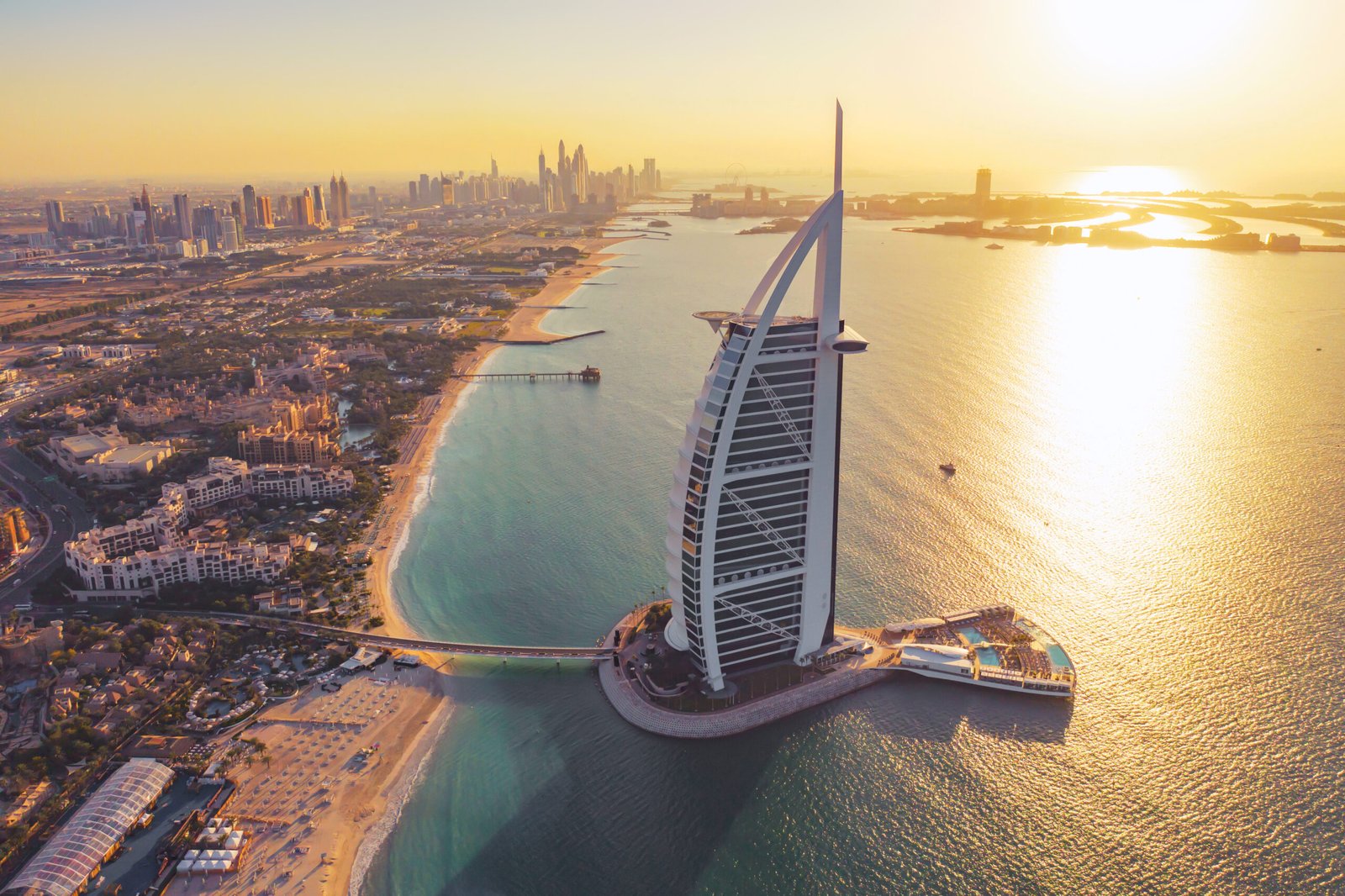
The United Arab Emirates remains one of the most attractive real estate hubs for global investors in 2026. Key factors include:
- Freehold ownership for foreigners in many zones.
- No property or capital gains tax, maximizing investor returns.
- Strong rental demand from expatriates, tourists, and professionals.
- Golden Visa opportunities tied to property investment above certain thresholds.
Top areas in the UAE worth attention:
📍 Dubai South & Expo City District – Emerging with strong long-term potential near Al Maktoum International Airport.
📍 Jumeirah Village Circle (JVC) – Known for relatively affordable entry prices and strong rental occupancy.
📍 Dubai Hills Estate & Business Bay – Balanced capital growth and rental demand.
📍 Mohammed Bin Rashid City – Premium space with expected capital appreciation.
These areas blend strong fundamentals with varying investment styles — from affordable rentals to premium portfolios.
How to Start Investing: A Step-by-Step Roadmap
1. Define Your Objectives
Before choosing a market or property, identify:
- Investment horizon: short-term rental income vs long-term capital appreciation
- Risk tolerance: conservative (stable districts) vs higher return (emerging zones)
- Budget: from budget-friendly zones to premium gated communities
2. Conduct Market Research
Research local trends, rental yields, demand patterns, and supply projections. Oversupply scenarios can dampen yields even in popular markets — understanding demographic and supply dynamics helps you pick resilient assets.
3. Choose Your Strategy
Common investment approaches include:
- Buy-to-rent — generate consistent rental income
- Off-plan investing — buy early and benefit from capital value appreciation and flexible payment plans.
- Property flipping — purchase undervalued assets, renovate, and resell for profit.
- Portfolio diversification — mix residential, commercial, and emerging asset classes to balance risk.
4. Legal & Financial Considerations
Engage a local real estate advisor or lawyer to navigate:
- Title and ownership rules
- Tax implications and transaction fees
- Mortgage options (where applicable)
Professional guidance mitigates risk and speeds up your entry.
Expected Returns: What Investors Can Aim For
In 2026, UAE property investors can reasonably target:
📊 Total returns (capital growth + rental yield): 8–14% for well-chosen assets — blending appreciation with rental income.
Returns vary by location, asset type, and global economic conditions — but compared to many traditional investments, real estate can deliver attractive income and diversification benefits.

Risks Every Investor Should Know
Real estate is not a risk-free asset class. Top risks include:
📉 Market Volatility & Oversupply
Rapid construction cycles can create supply surges in certain districts — compressing rental yields and slowing price growth.
🏚 Liquidity Challenges
Real estate is less liquid than stocks or bonds — selling a property may take months, particularly in slower markets.
🧑🔧 Management and Operational Costs
Maintenance, tenant issues, and property management require time or incur costs if outsourced.
📊 Economic & Geo-Political Factors
Interest rates, global economic slowdowns, or regional tensions can influence demand and pricing dynamics.

Final Take: Be Strategic, Not Speculative
Investing in real estate in 2026 is not about buying everywhere — it’s about investing smartly in markets with strong fundamentals, clear demand, and a strategic exit or income plan. By combining data-driven market analysis with diversified strategies and professional guidance, investors can position themselves to capture both rental income and capital growth.
If you’re considering property investment in 2026, now is the time to research markets like the UAE and align your goals with tangible investment strategies.