UAE Transportation Developments Reshape the Future of Real Estate Investments
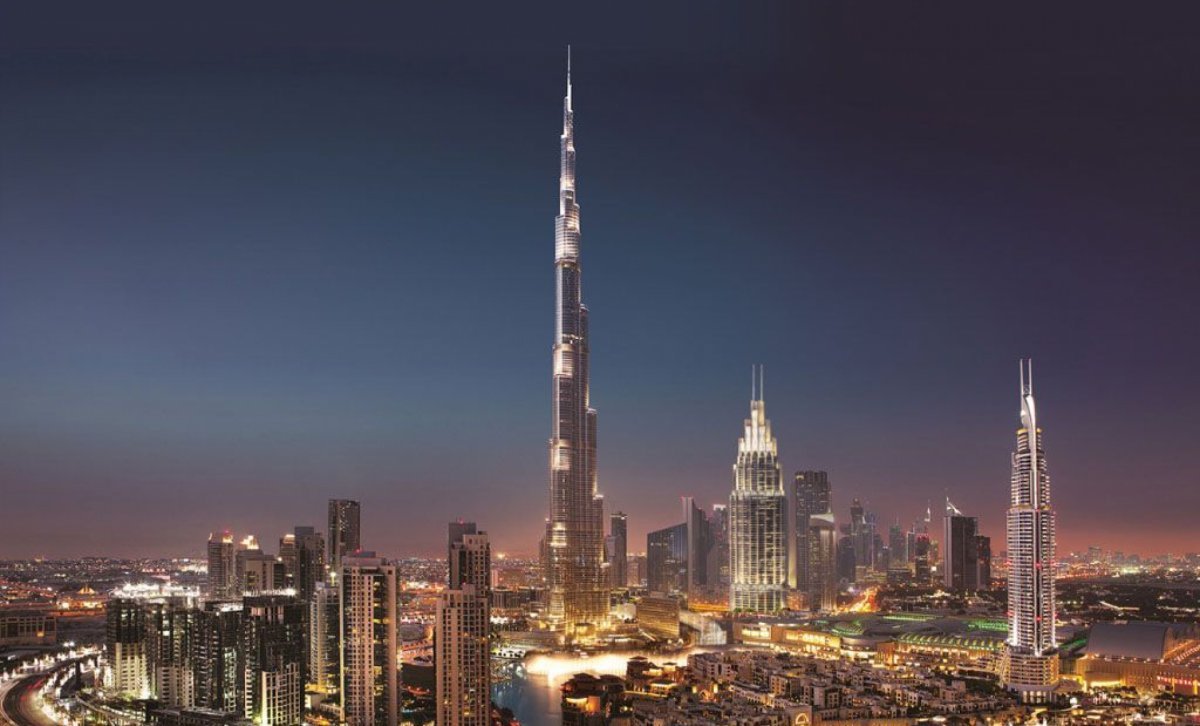
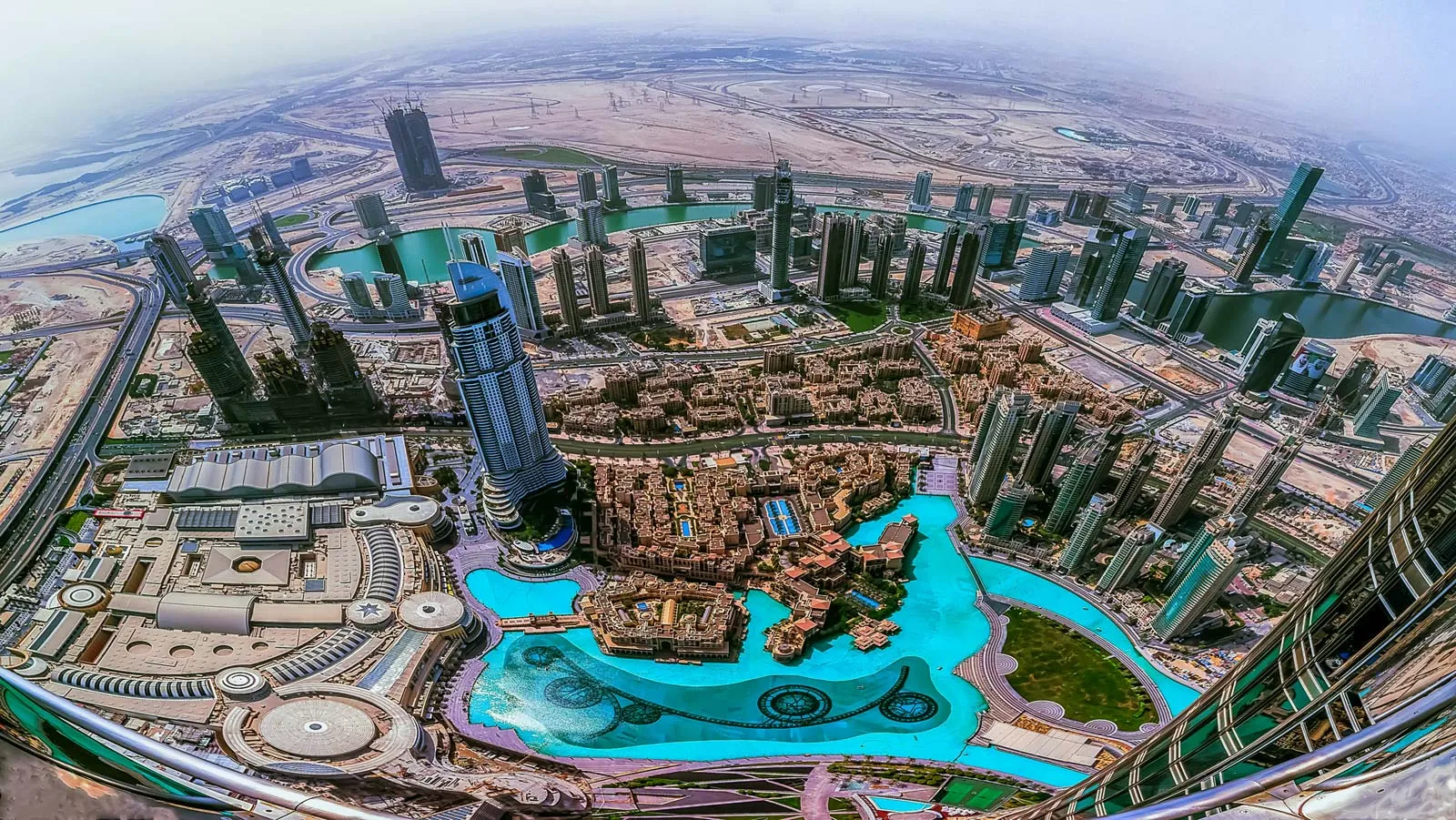
The United Arab Emirates continues to strengthen its position as one of the world’s most attractive real estate investment destinations. One of the key drivers behind this sustained growth is the country’s aggressive investment in transportation and mobility infrastructure, spanning land, air, and sea networks.
From metro expansions and high-speed rail systems to airport upgrades and advanced maritime ports, these developments are not only improving connectivity but are also directly influencing property demand, rental yields, and capital appreciation across the UAE.
Land Transportation: A Catalyst for Property Value Growth
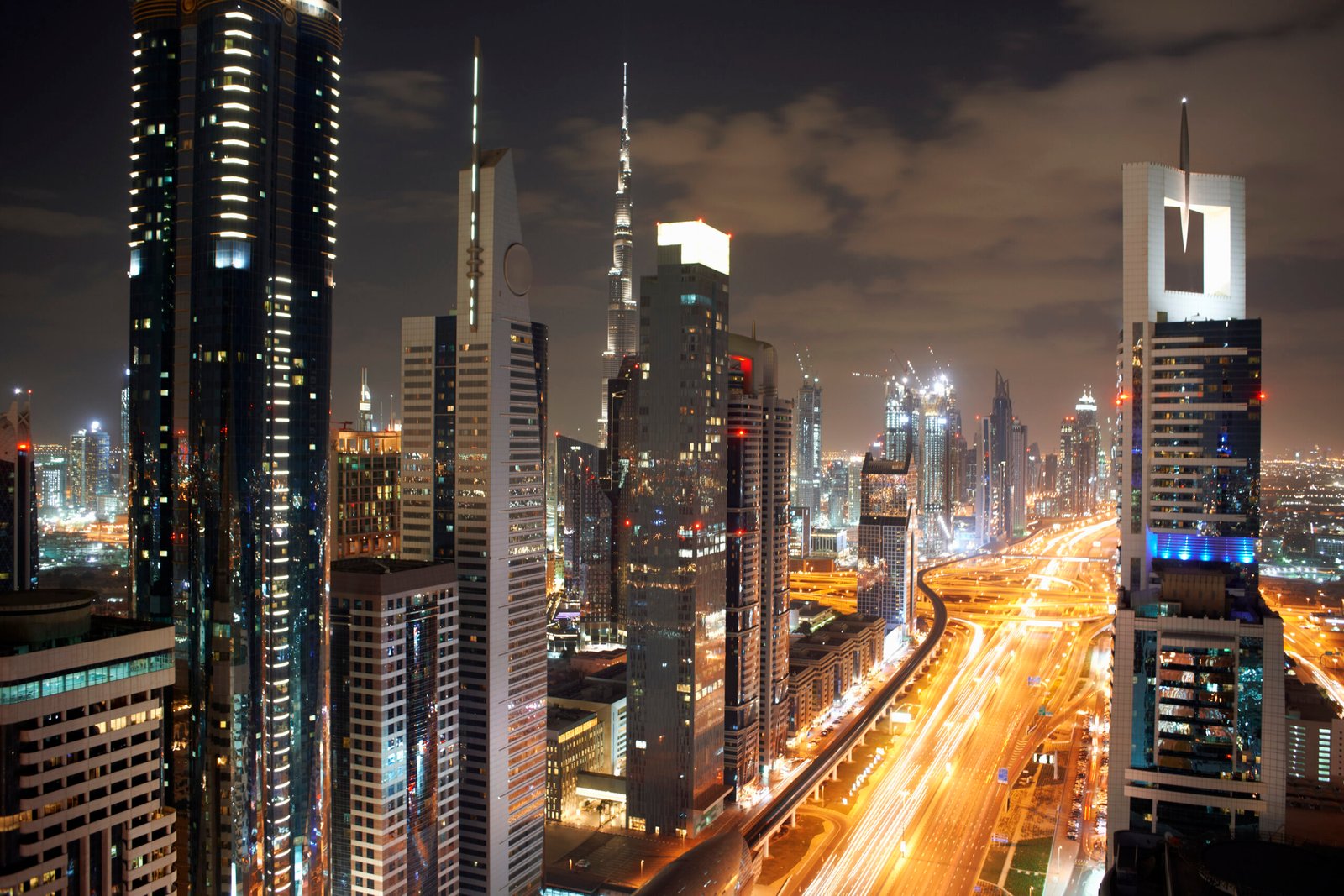
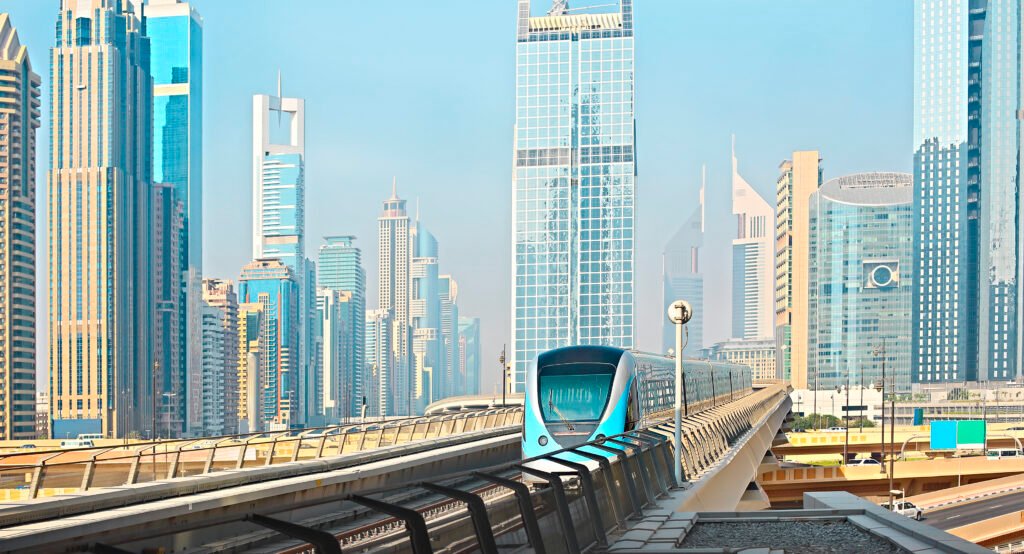
Dubai Metro Expansion
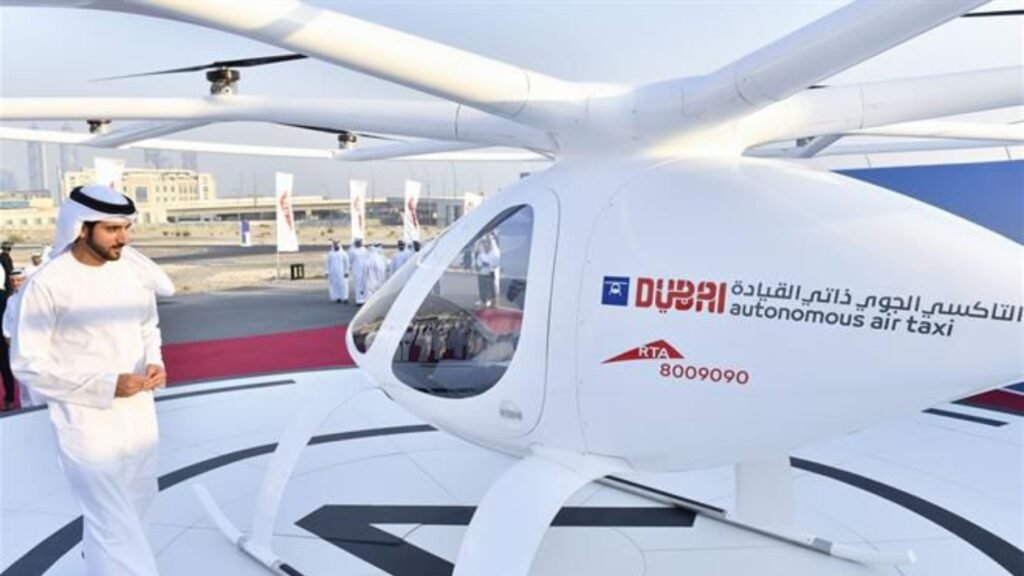
Dubai’s Roads and Transport Authority (RTA) has announced continuous upgrades and future expansions of the Dubai Metro, aiming to connect emerging residential and commercial zones more efficiently.
Areas located near metro stations historically experience:
- Higher rental demand
- Faster resale cycles
- Increased long-term property values
Developers expected to benefit significantly from metro-linked communities include:
- Emaar Properties (Key Areas: Downtown Dubai, Dubai Hills Estate, Emaar South)
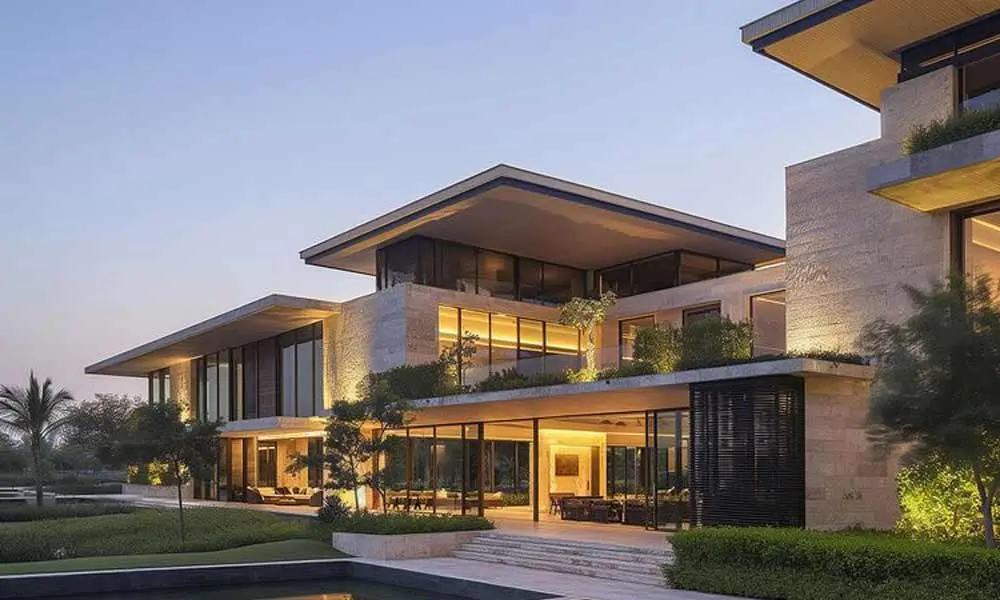
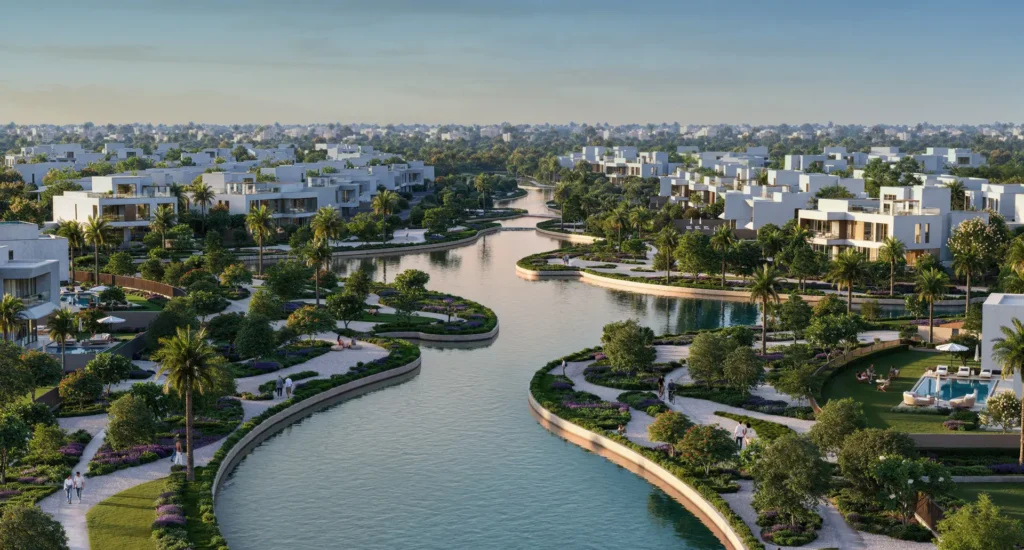
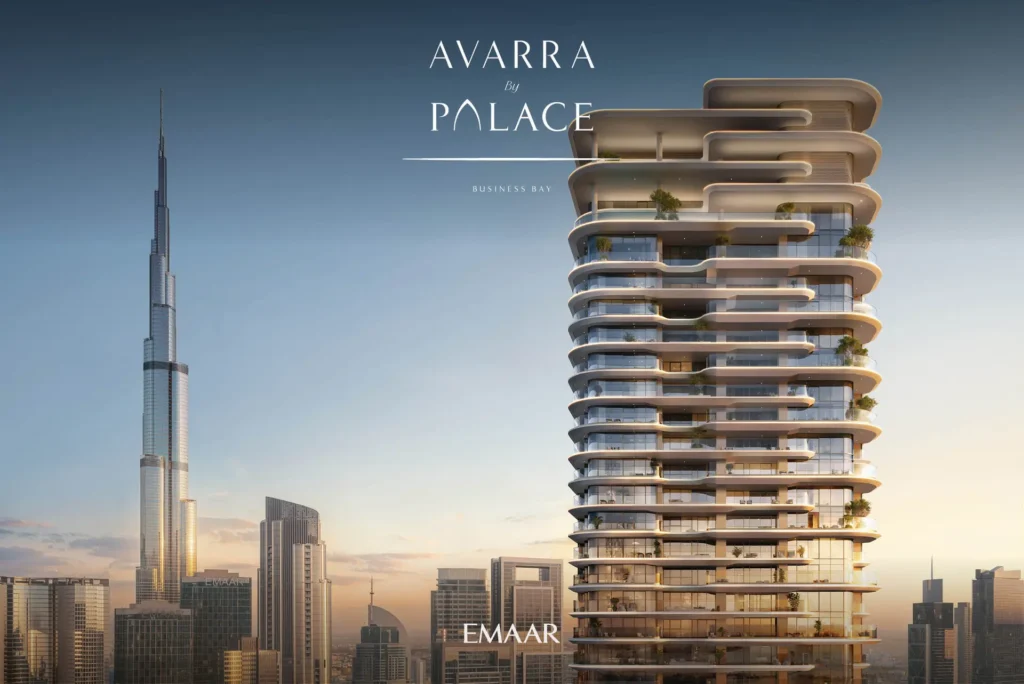
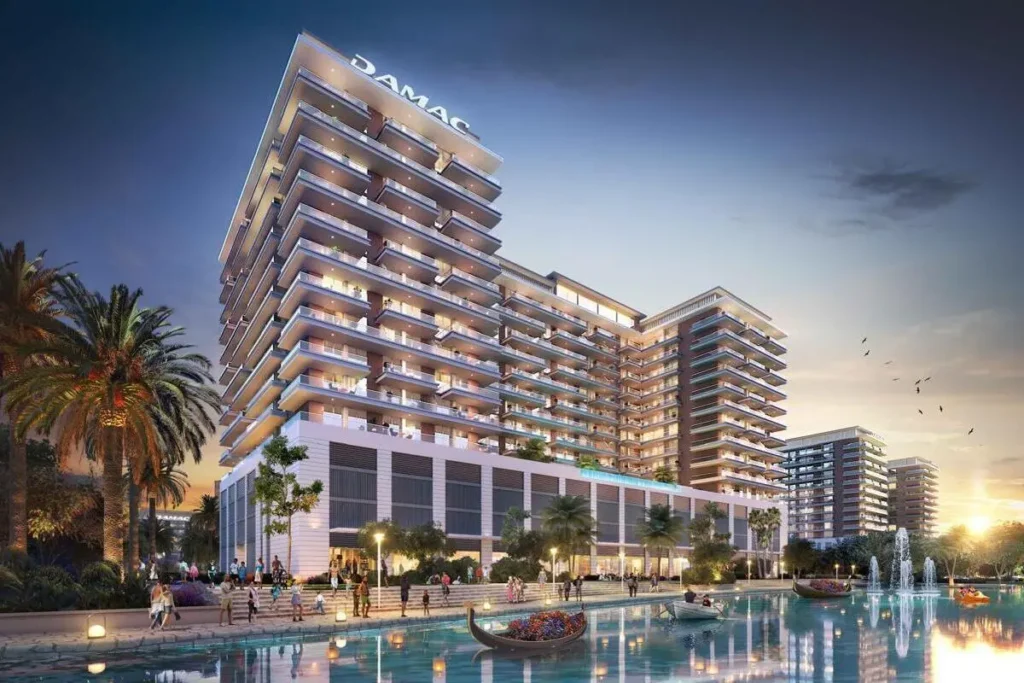
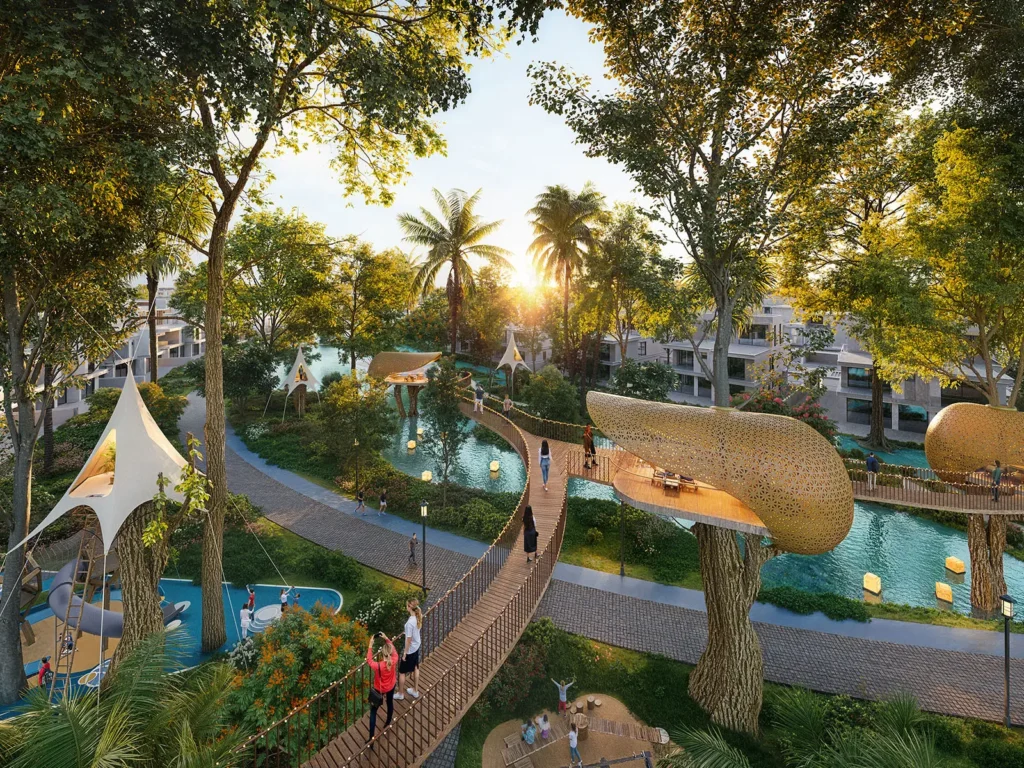
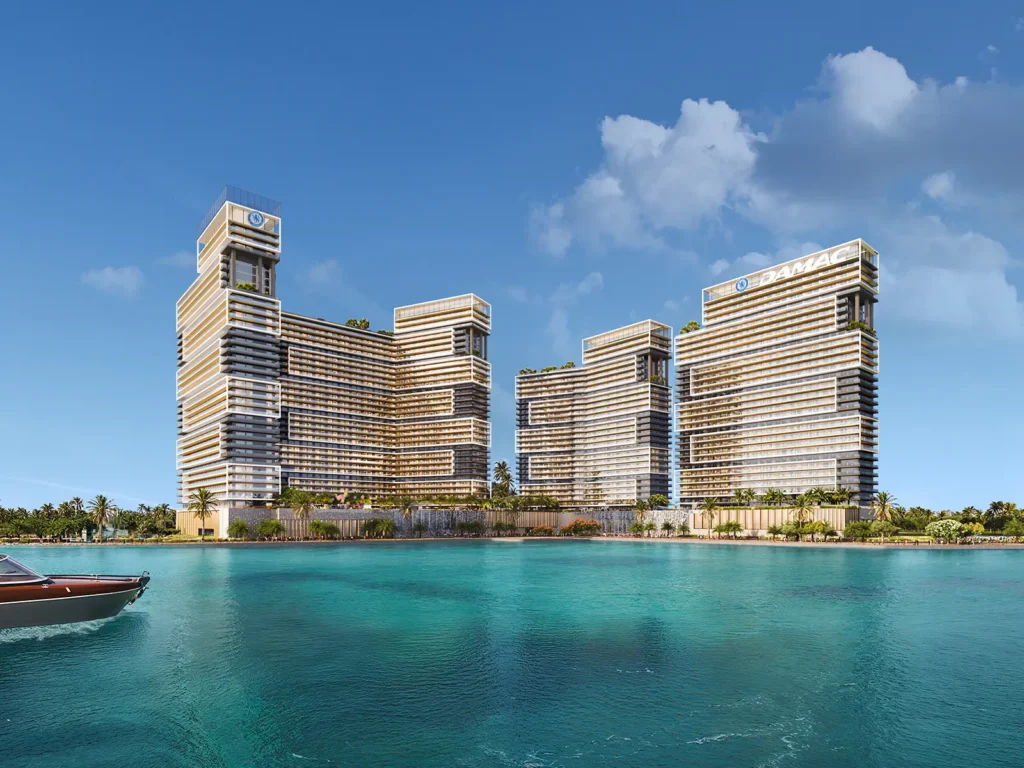
- DAMAC Properties (Key Areas: DAMAC Hills, Business Bay, Dubai Marina)
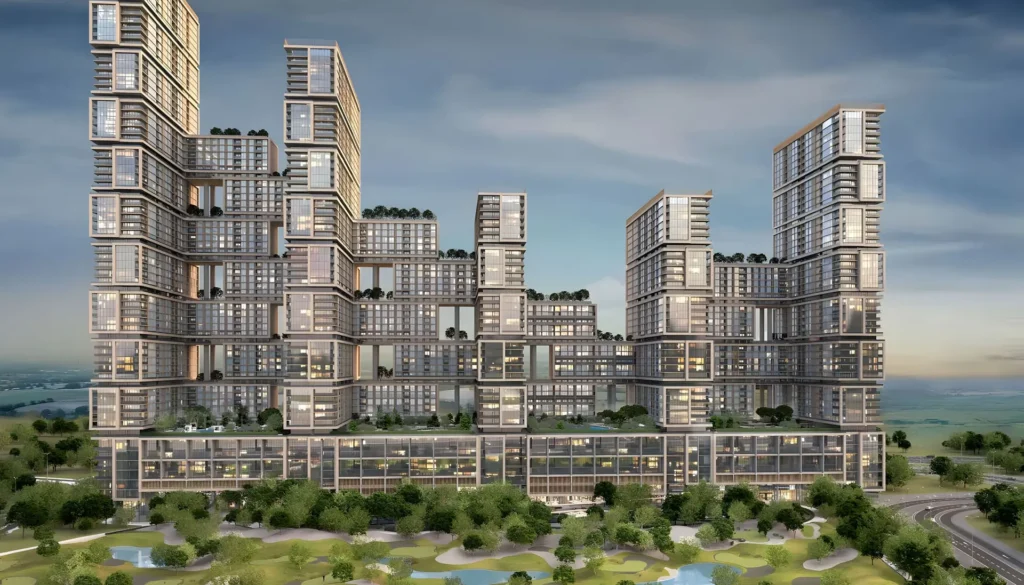
- Sobha Realty (Key Areas: Sobha Hartland, MBR City)
Etihad Rail: Transforming Inter-Emirate Connectivity
The Etihad Rail project, one of the most ambitious infrastructure developments in the region, is set to connect Abu Dhabi, Dubai, Sharjah, Ras Al Khaimah, and Fujairah via a modern railway network.
This project is expected to:
- Reduce travel time between emirates
- Increase demand for suburban and emerging residential zones
- Encourage cross-emirate real estate investments
Developers likely to see increased demand include:
- Aldar Properties (Key Areas: Yas Island, Saadiyat Island, Abu Dhabi Mainland)
- Arada Developments (Key Areas: Aljada, Masaar – Sharjah)
Air Transportation: Airports Driving Premium Real Estate Demand
Dubai International & Al Maktoum International Airport Expansion
Dubai continues to enhance its aviation infrastructure, with major upgrades at Dubai International Airport (DXB) and the long-term expansion plan for Al Maktoum International Airport (DWC).Properties located near airport zones benefit from:
- Strong demand from professionals and frequent travelers
- Increased interest in serviced apartments and short-term rentals
Developers positioned to benefit include:
- Dubai South Properties
- MAG Group
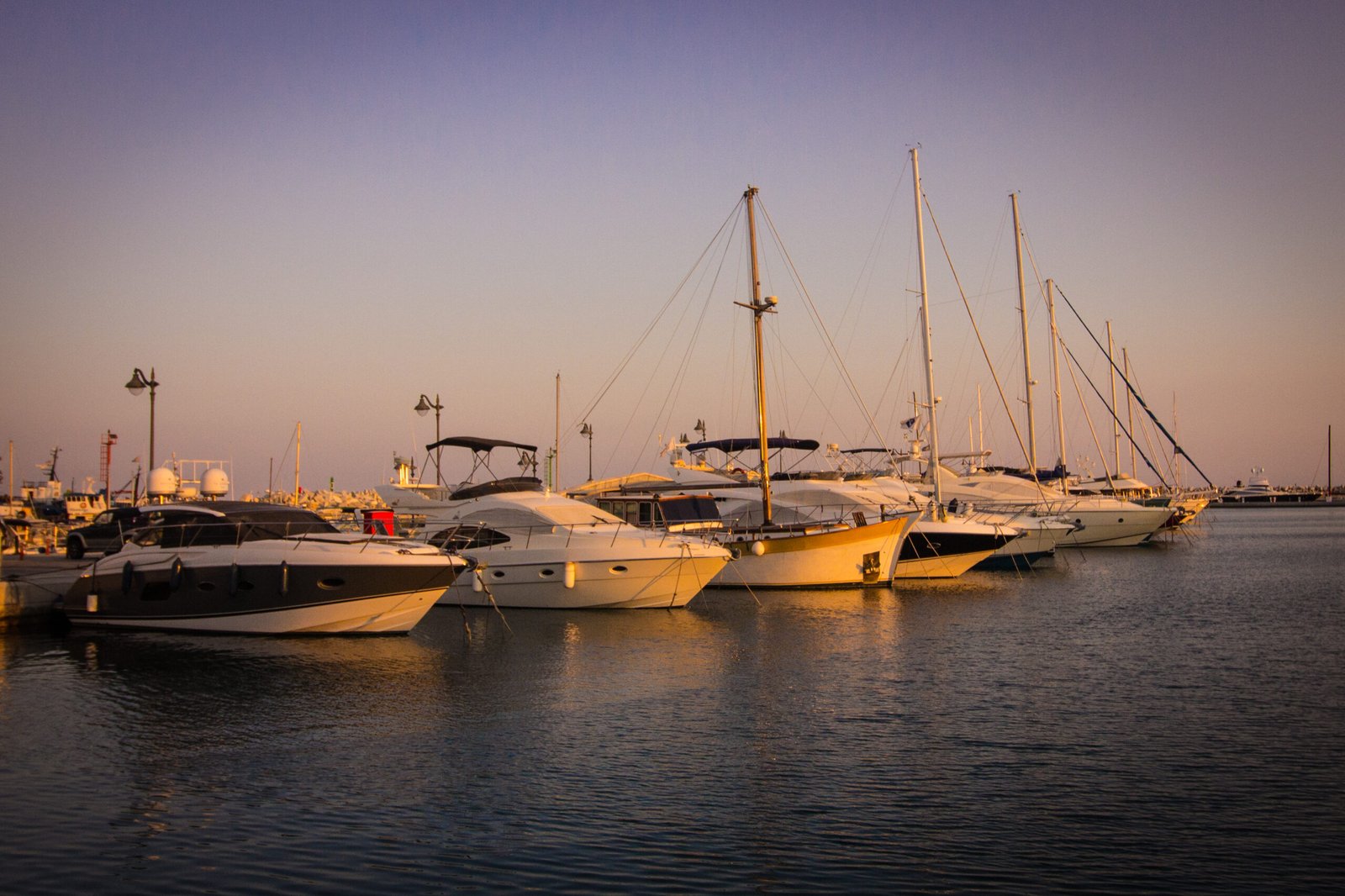
Maritime & Port Developments: Boosting Waterfront Real Estate
The UAE’s investment in ports and maritime infrastructure, including Jebel Ali Port and Abu Dhabi’s Khalifa Port, continues to support logistics, tourism, and waterfront living.
Waterfront and coastal communities remain among the highest-performing real estate segments in the UAE.
Key developers in this segment include:
- Nakheel (Key Projects: Palm Jumeirah, Dubai Islands)
- Meraas (Key Projects: Bluewaters Island, Port de La Mer)
Why Transportation Infrastructure Directly Impacts Property Prices ?
Transportation projects influence real estate markets through:
- Improved accessibility and reduced commute times
- Increased investor confidence
- Higher livability scores for residential communities
- Long-term urban expansion planning
Historically, properties located near major transport hubs in the UAE have shown above-average appreciation rates compared to isolated developments.
What This Means for Real Estate Investors ?
For investors and end-users, monitoring infrastructure announcements is no longer optional—it is essential. Strategic investment near transportation corridors can result in:
- Strong capital appreciation
- Higher rental yields
- Lower vacancy rates
Platforms like Xceed UAE help investors identify properties aligned with upcoming infrastructure projects, ensuring data-driven and future-proof investment decisions.
Final Thoughts
As the UAE accelerates its transportation development plans, real estate markets across Dubai, Abu Dhabi, Sharjah, and the Northern Emirates are set to benefit significantly. Investors who align their property choices with infrastructure growth corridors stand to gain the most in the coming years.
Transportation is no longer just about mobility—it is a core driver of real estate value in the UAE.